
Table of Contents
Summary
In this guide, you’ll learn what product photography is, why it matters, the different types, what equipment you need, and how to get started, even if you’re a complete beginner.
Introduction
Have you ever bought something online just because the photo made it look amazing? You saw it, you loved it, and you clicked “Add to Cart” all in a few seconds. That’s the power of great product photography at work.
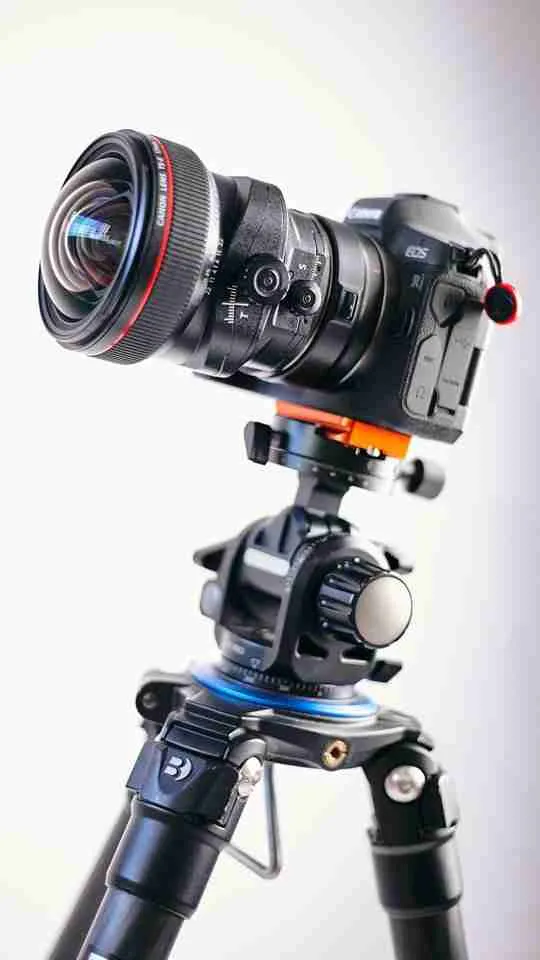
Product photography is the art of taking clear, attractive photos of items to help sell them. It’s not just about pointing a camera at something. It’s about making a product look its best so people feel confident enough to buy it without ever touching it in real life.
Today, more people shop online than ever before. Whether you sell on Meesho, Flipkart, Amazon India, or Instagram, your photos are often doing the selling for you. The quality of your product photos directly affects how many people buy from you.
What is Product Photography?
Product photography is a type of commercial photography that focuses on capturing products in the most appealing way possible. The goal is simple: make the product look so good that people want to buy it.
It’s used by all kinds of businesses, online stores, big brands, small shops, Amazon and Flipkart sellers, and social media businesses. Anytime you see a photo of a product on a website, an ad, or a shopping app, that’s product photography.
Unlike other types of photography (like portraits or landscapes), product photography is all about the item. Everything in the photo, the lighting, the background, the angle, the styling, is carefully chosen to make that product look its absolute best.
Why Does Product Photography Matter?
When someone shops online, they can’t touch the product. They can’t feel the fabric, test the weight, or see the true color in person. The only thing they have is your photo. That photo has to do all the work.
Here’s why it matters so much:
- First impressions happen fast. Studies show that people form an opinion about a product in less than a second. A sharp, well-lit photo creates instant trust.
- Good photos build credibility. When your photos look professional, your whole brand looks professional. Customers are far more likely to buy from a store that looks polished and reliable.
- Better photos mean more sales. High-quality product images increase conversion rates — meaning more people who visit your page actually make a purchase.
- Clear photos reduce returns. When buyers know exactly what they’re getting, they’re less likely to be disappointed and send it back. Accurate photos save you time, money, and hassle.
Types of Product Photography
Not all product photos are the same. Different types of shots work better in different situations. Here are the most common types you should know about:
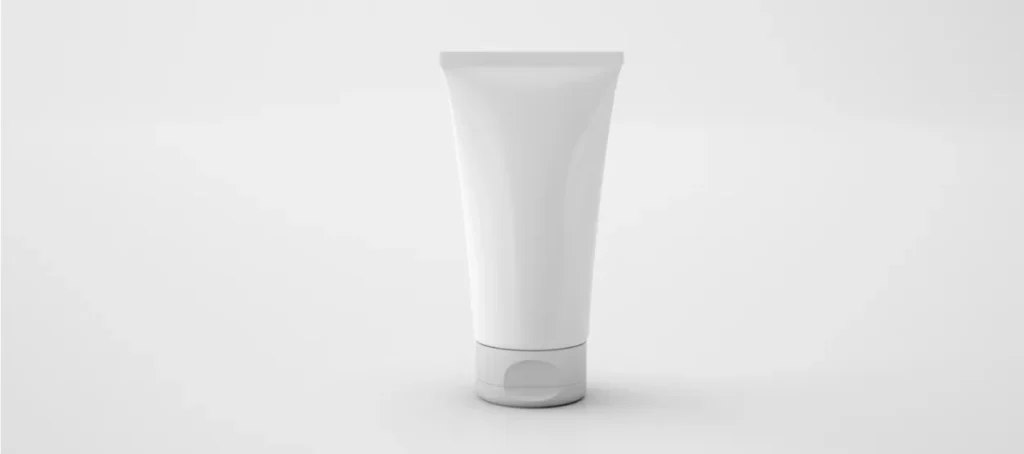
- White Background (Clean Cut-Out) Shots This is the classic style you see on Amazon India and Flipkart. The product sits on a plain white background with no distractions. It’s clean, professional, and lets the customer focus 100% on the item. Most online platforms actually require this type of photo as the main listing image.
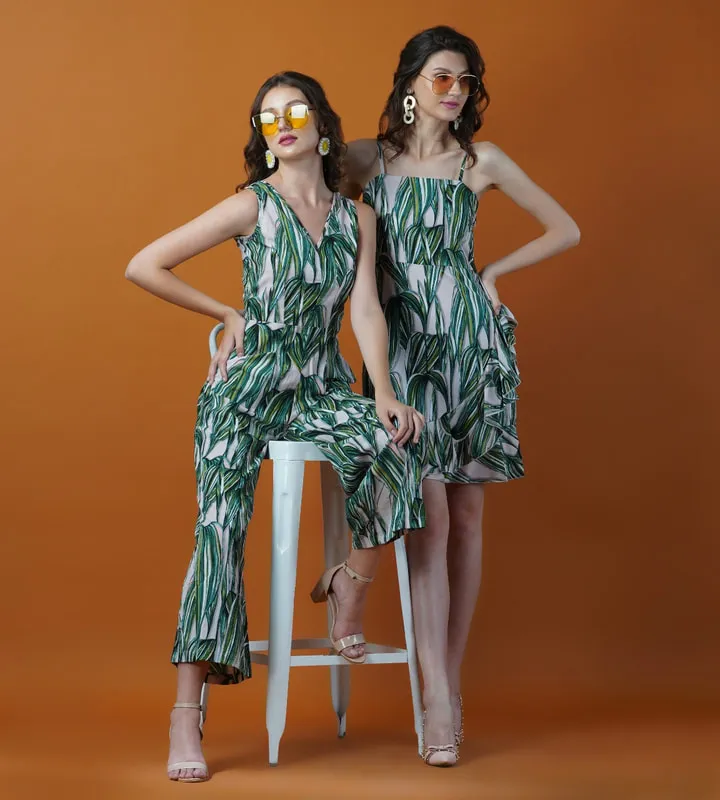
- Lifestyle Shots Lifestyle shots show the product being used in real life. A steel dabba on a kitchen counter. A kurta being worn at a festive gathering. A skincare product on a dressing table. These photos help customers imagine the product in their own lives — and that emotional connection is powerful.
- Detail / Close-Up Shots Close-up shots zoom in to show texture, embroidery, material quality, or fine details. If you’re selling handmade jewelry, sarees, leather goods, or clothing, these photos are essential. They prove the quality of your product without the customer needing to see it in person.
- Group Shots Group shots show multiple products together — a full skincare range, a gift hamper, or color variations of the same item. These are great for showing customers what else you offer and encouraging them to buy more than one item.
- Flat Lay A flat lay is an overhead photo taken from directly above, with items arranged neatly on a flat surface. This style is hugely popular on Instagram, especially for fashion, food, stationery, and beauty products. It’s artistic, eye-catching, and works brilliantly on social media.
- 360° / Spin Photography 360° photography takes a series of shots around the product and stitches them together so users can rotate it on screen. It gives shoppers a full view of the item from every angle — almost like holding it in their hands. It’s especially useful for electronics, furniture, and footwear.
What Equipment Do You Need?
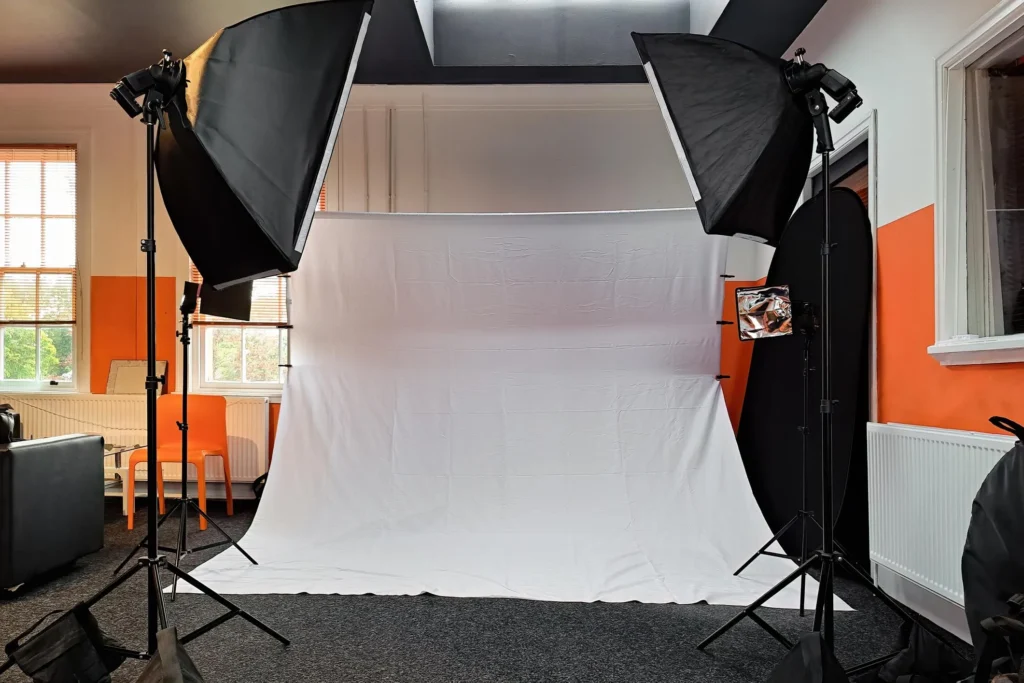
Here’s the good news: you don’t need a professional studio or expensive gear to take great product photos. Many successful sellers on Meesho and Instagram started with just a smartphone and a window. Here’s what you need to get started:
- Camera — A DSLR or mirrorless camera gives you the best quality. But a modern smartphone (iPhone, Samsung Galaxy, OnePlus, or Google Pixel) is genuinely good enough to start.
- Lighting — Natural light from a large window is your best free tool. If you shoot indoors or at night, an affordable softbox lighting kit is available online for as low as ₹1,500–₹3,000 and makes a huge difference.
- Background — A plain white chart paper or a roll of sweep paper works perfectly for clean product shots. You can pick up chart paper at any local stationery shop for under ₹50, or buy a full sweep paper kit online for around ₹800–₹1,500.
- Tripod — A tripod keeps your camera steady, your shots sharp, and your angles consistent. A basic phone tripod is available online for as little as ₹300–₹600 and is absolutely worth it.
- Editing Software — Free apps like Lightroom Mobile, Snapseed, or even your phone’s built-in editor can handle brightness, color correction, and background cleanup — all for free.
Basic Tips to Take Better Product Photos
Now that you know the equipment, here are some easy tips to make your photos look noticeably better — starting today:
- Use natural light whenever you can. Place your product near a large window during the day. Natural light is soft, flattering, and completely free.
- Keep backgrounds clean. A cluttered background takes attention away from your product. Stick with white, neutral gray, or a simple lifestyle setting.
- Shoot from multiple angles. Show the front, back, sides, top, and any important details. Give your customers the full picture.
- Show the product in use. Include at least one lifestyle photo that shows how it’s used in everyday life.
- Edit for accuracy, not drama. Adjust brightness and contrast, correct the colors — but never make the product look better than it actually is. Misleading photos lead to returns and bad reviews.
- Keep your style consistent. Use the same background, lighting, and editing across all your photos so your store looks cohesive and professional.
DIY vs. Hiring a Professional Photographer
One of the biggest decisions you’ll face is whether to do your product photography yourself or hire someone. Both are valid choices — it just depends on your situation.
| Feature | DIY | Professional |
|---|---|---|
| Cost | Low — just your time | Higher, but consistent |
| Quality | Good with effort and practice | Consistently high |
| Control | Full creative control | Shared with photographer |
| Best For | New sellers, tight budgets, simple products | Growing brands, big launches, high-ticket items |
When to DIY: You’re just starting out, working with a tight budget, or selling simple products that don’t require elaborate styling.
When to hire a professional: You’re launching a major product, selling high-ticket items, building a serious brand, or you want consistently polished results without spending hours learning photography.
When looking for a product photographer in India, freelance photographers typically charge anywhere between ₹500 to ₹3,000 per image depending on experience, complexity, and your city. Studios and agencies in metro cities like Mumbai, Delhi, and Bengaluru charge more but offer full-service packages. Always ask to see their portfolio and get a clear quote that includes editing and file delivery.
Common Mistakes to Avoid
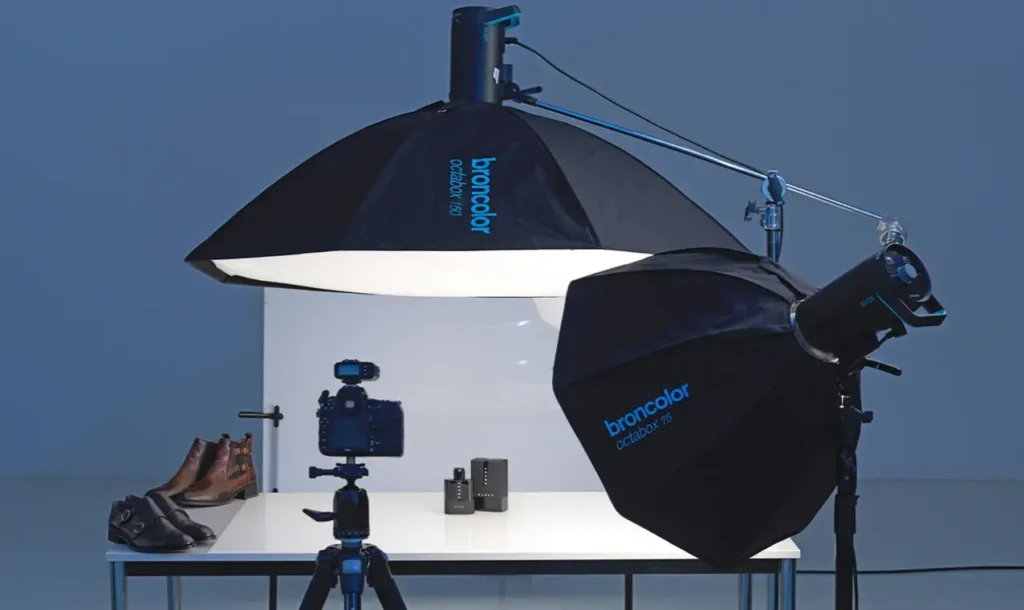
Even with the best intentions, beginners often make the same photography mistakes. Here’s what to watch out for:
- Poor or harsh lighting — Hard shadows ruin otherwise good photos. Always diffuse your light using a curtain, a white dupatta, or a softbox.
- Blurry or low-resolution images — Always shoot at the highest resolution possible and use a tripod to avoid camera shake.
- Cluttered or distracting backgrounds — If the background steals attention from the product, you’ve lost the shot.
- Misleading colors or sizes — Always show the true color and size. Surprises lead to returns and negative reviews.
- Using only one photo per product — Give customers multiple views. Most platforms recommend 5–8 photos per product listing.
- Skipping the editing step — Even a small tweak in brightness and white balance can transform an average shot into a great one.
Product Photography for Different Platforms
Different platforms have different expectations and requirements. Here’s a quick guide:
- Amazon India & Flipkart: The main image must have a pure white background. Amazon requires images to be at least 1,000 pixels on the longest side. Additional images can show lifestyle and detail shots.
- Meesho & Glowroad: Clean, well-lit photos on white or light backgrounds work best. Show multiple angles and include size details clearly.
- Instagram & YouTube Shorts: Creative, lifestyle, and flat lay shots perform best. Aesthetic and storytelling matter more here than technical specs.
- Your Own Website: Use a mix of clean white-background shots and lifestyle images. Show the product clearly and in context.
- Google Shopping: Use clear, well-lit images with no watermarks, text overlays, or borders. Google’s algorithm favors clean, accurate product images.
Conclusion
Product photography is one of the most important things you can do for your business. It builds trust, drives sales, and sets your brand apart, all without saying a single word.
You don’t need to spend thousands of rupees to get started. A smartphone, good natural light, and a white chart paper can take you far. But when you’re ready to go truly professional, the results speak for themselves.
At Photophactorystudios, we specialize in making your products look their absolute best, clean, sharp, and built to sell. Whether you’re a small seller or a growing brand, we’ve got you covered.
Contact Photophactorystudios today and let’s shoot something great.
Frequently Asked Questions (FAQ)
What is the difference between product photography and commercial photography?
Product photography focuses specifically on capturing items for sale. Commercial photography is a broader term that includes any photography used for business purposes — including advertising campaigns, brand imagery, and editorial content.
How much does product photography cost in India?
It depends on who you hire. DIY costs almost nothing beyond your time. Freelance product photographers in India typically charge between ₹500 and ₹3,000 per image depending on experience and complexity. Studios in cities like Mumbai, Delhi, and Bengaluru charge more but often include props, styling, and editing in their packages.
Can I do product photography with my phone?
Absolutely. Modern smartphones like the iPhone, OnePlus, Samsung Galaxy, and Google Pixel take excellent photos. Use portrait mode for clean backgrounds, shoot near natural light, and use a free editing app like Snapseed to fine-tune the results. Many successful Indian sellers on Instagram and Meesho use only their phone cameras.
What background is best for product photography?
A plain white background is the most versatile and widely accepted choice — especially for online marketplaces like Amazon India and Flipkart. For lifestyle or brand photos, choose backgrounds that complement your product and match your brand's overall look and feel.
How many photos do I need per product?
Most experts recommend 5 to 8 photos per product. Include at least one clean white-background shot, one or two lifestyle shots, one close-up detail shot, and a size-reference shot so customers understand how big the product actually is.