
Table of Contents
Introduction
If you’ve ever looked at a powerful image of a factory floor buzzing with workers, or a drone shot of a massive construction site, you’ve seen industrial photography in action. These photos don’t happen by accident. They take skill, planning, and the right kind of photographer for the job.
Maybe you’re a business owner who needs photos for your website. Maybe you’re a photographer looking to break into a new niche. Or maybe you’re a marketing manager trying to figure out what kind of photos your company actually needs.
Whatever brought you here, this guide will walk you through everything you need to know, in plain, simple language. By the end, you’ll know every major type of industrial photography, how each one works, and how to choose the right one for your needs.
What Is Industrial Photography?
Industrial photography is the art of capturing images in industrial environments. Think factories, construction sites, oil refineries, warehouses, power plants, and mines. It covers everything from wide shots of giant facilities to close-up details of a single piece of machinery.
Unlike regular product photography done in a studio, industrial photography happens in the real world — often in loud, busy, and sometimes dangerous environments. That’s what makes it different. And that’s also what makes it so powerful. These images show things as they really are.
Businesses have been using industrial photography for over a century. But with the rise of digital marketing, websites, and social media, the demand for high-quality industrial images has never been higher. Companies today need strong visuals to win clients, attract investors, and tell their story.
Why Industrial Photography Matters for Your Business
Before we get into the types, let’s talk about why this even matters.
- It builds trust. When a potential client sees real photos of your facility, your team, and your equipment, they believe in you. Stock photos just don’t do that. Authentic images show that your business is real, professional, and capable.
- It supports your marketing. Whether it’s your website, a brochure, a LinkedIn post, or a trade show booth, great photos make your marketing look polished and credible.
- It helps with recruitment. People want to know what it’s like to work somewhere before they apply. Strong photos of your workplace and team can attract better talent.
- It covers legal and compliance needs. Safety documentation, insurance claims, and regulatory submissions often require accurate visual records of your site and operations.
- It tells your brand story. Every company has a story. Industrial photography helps you tell yours — visually, honestly, and compellingly.
The Main Types of Industrial Photography
1. Manufacturing Photography
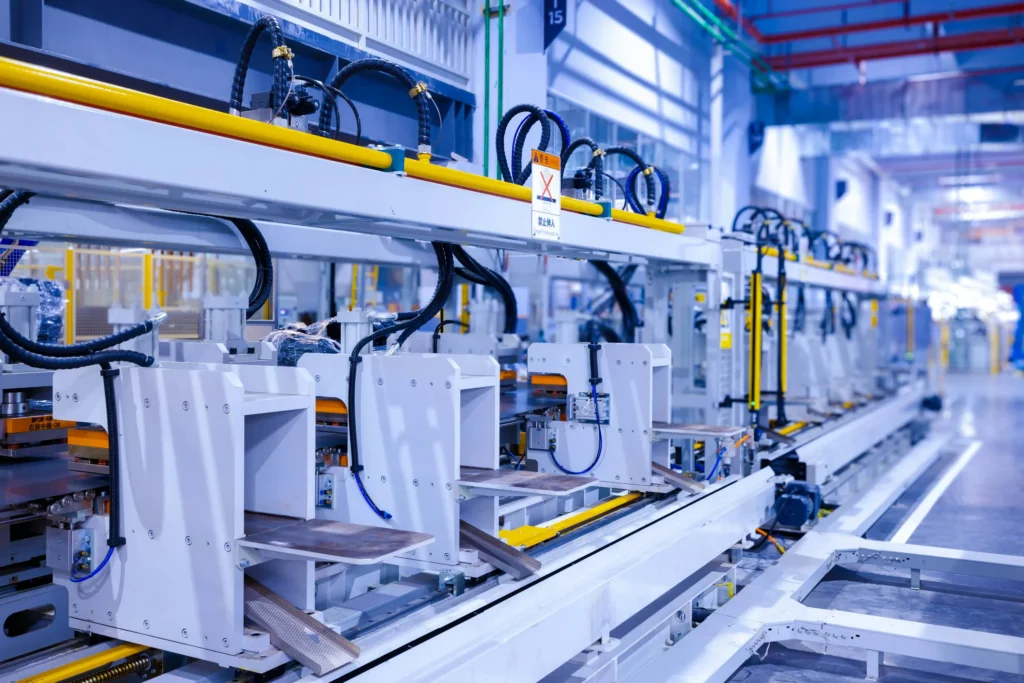
This is one of the most common types. It takes place inside factories and production facilities, capturing assembly lines, machinery in motion, and workers doing their jobs.
Manufacturing photos are used in company brochures, product websites, trade show displays, and investor presentations. They show the scale and capability of a business — and help potential clients feel confident placing large orders.
2. Construction Photography
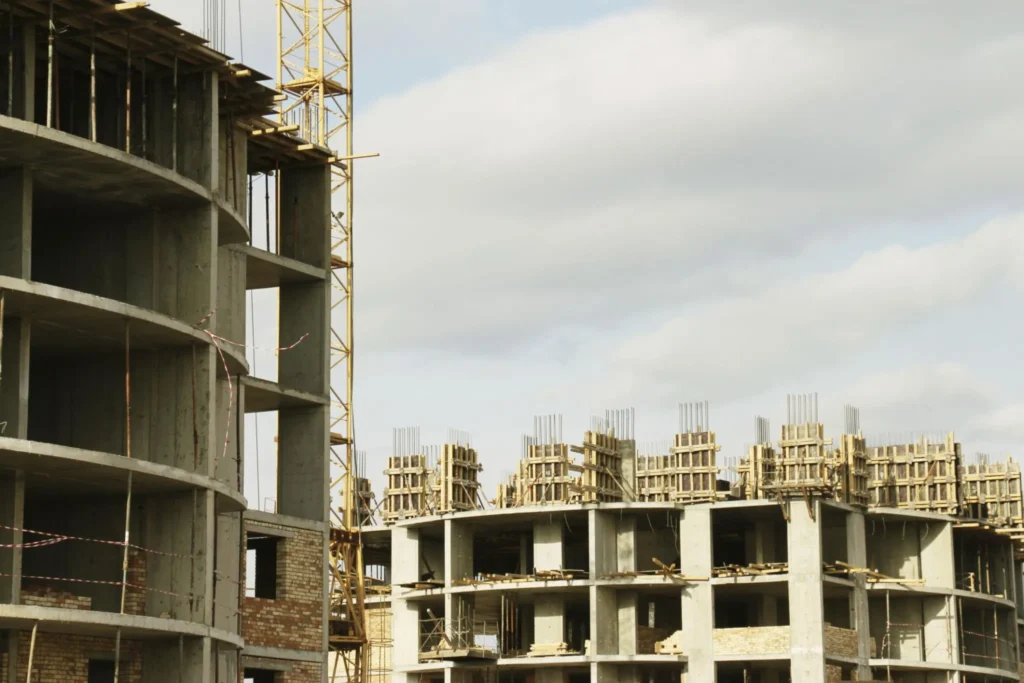
Construction photography documents building projects from the very first shovel in the ground all the way to the finished structure. It’s used by construction companies to build their portfolio, by project managers to track progress, and by developers for marketing materials.
A good construction photographer knows how to capture the scale of a project, the quality of the work, and the story of how something was built — often over months or even years.
3. Aerial and Drone Photography
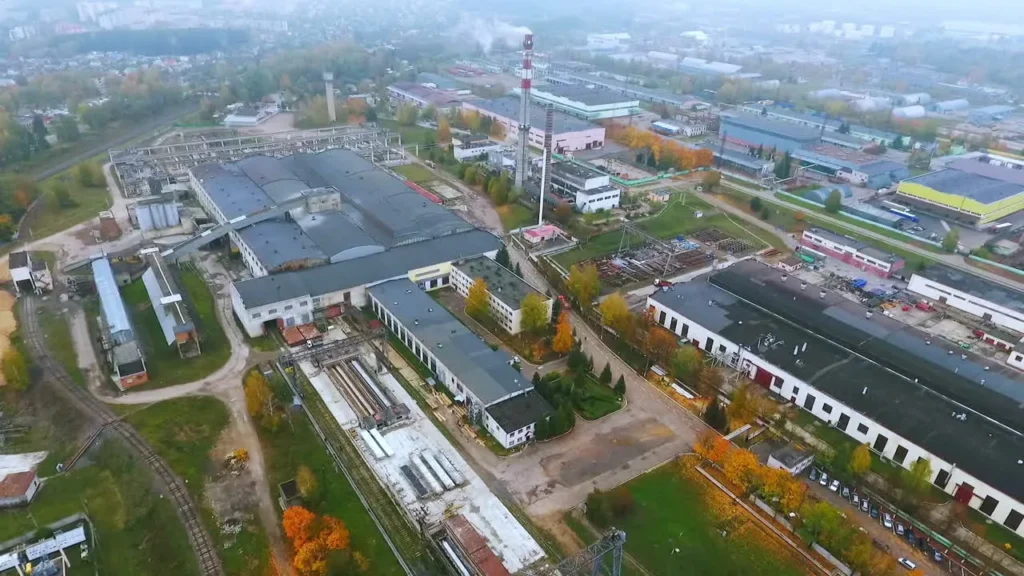
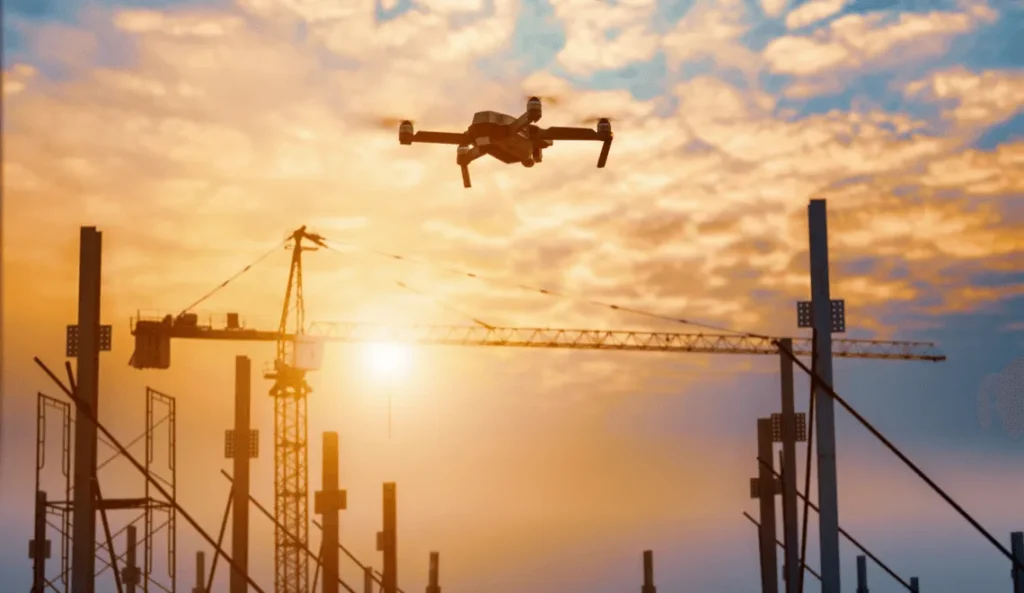
Drone technology has completely changed industrial photography. Now, photographers can capture bird’s-eye views of large facilities, mining operations, solar farms, ports, and sprawling construction sites — all without a helicopter.
Aerial shots are incredibly useful for showing the full size of an operation. They’re popular in energy, logistics, mining, and real estate. If your facility is large or sits in a dramatic landscape, drone photography can make it look absolutely stunning.
4. Oil, Gas, and Energy Photography
This is a specialized type of industrial photography that covers refineries, pipelines, offshore platforms, wind farms, and solar fields. It often involves traveling to remote or hazardous locations and working alongside strict safety protocols.
Energy companies use these images in annual reports, investor decks, and public communications. They help humanize industries that the public often views as distant or abstract.
5. Heavy Equipment and Machinery Photography
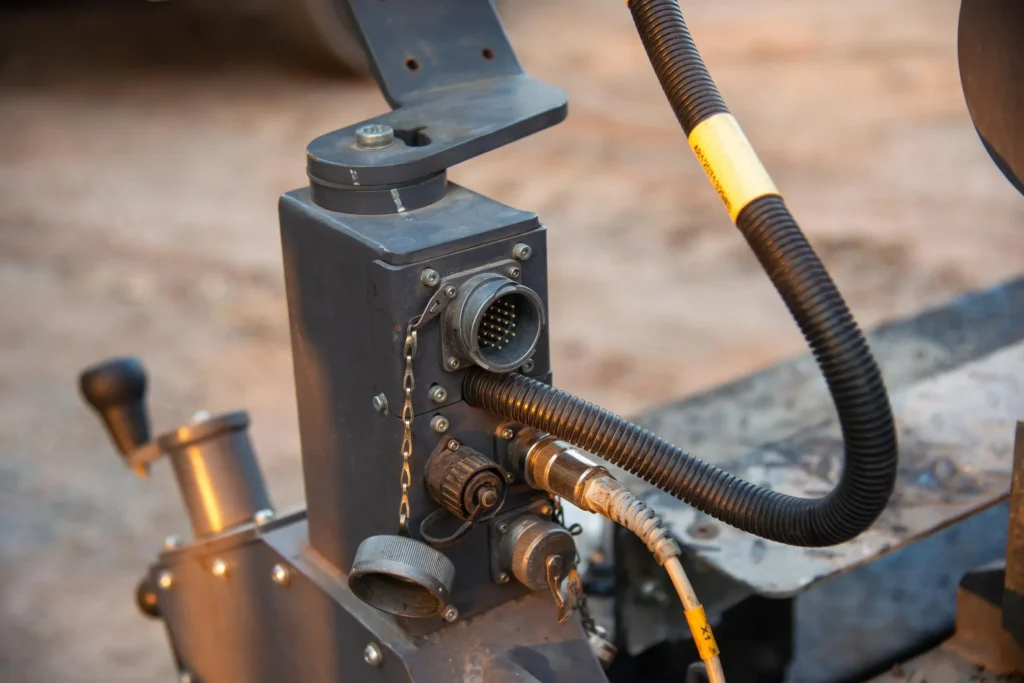
Sometimes the star of the photo isn’t a person — it’s a machine. Heavy equipment photography focuses on showcasing the size, power, and precision of industrial tools and vehicles. Think excavators, cranes, turbines, and robotic arms.
These images are used in product catalogs, equipment sales brochures, and manufacturer websites. The goal is to make the machine look impressive and reliable — because that’s exactly what the buyer needs to feel.
6. Worker and Labor Photography
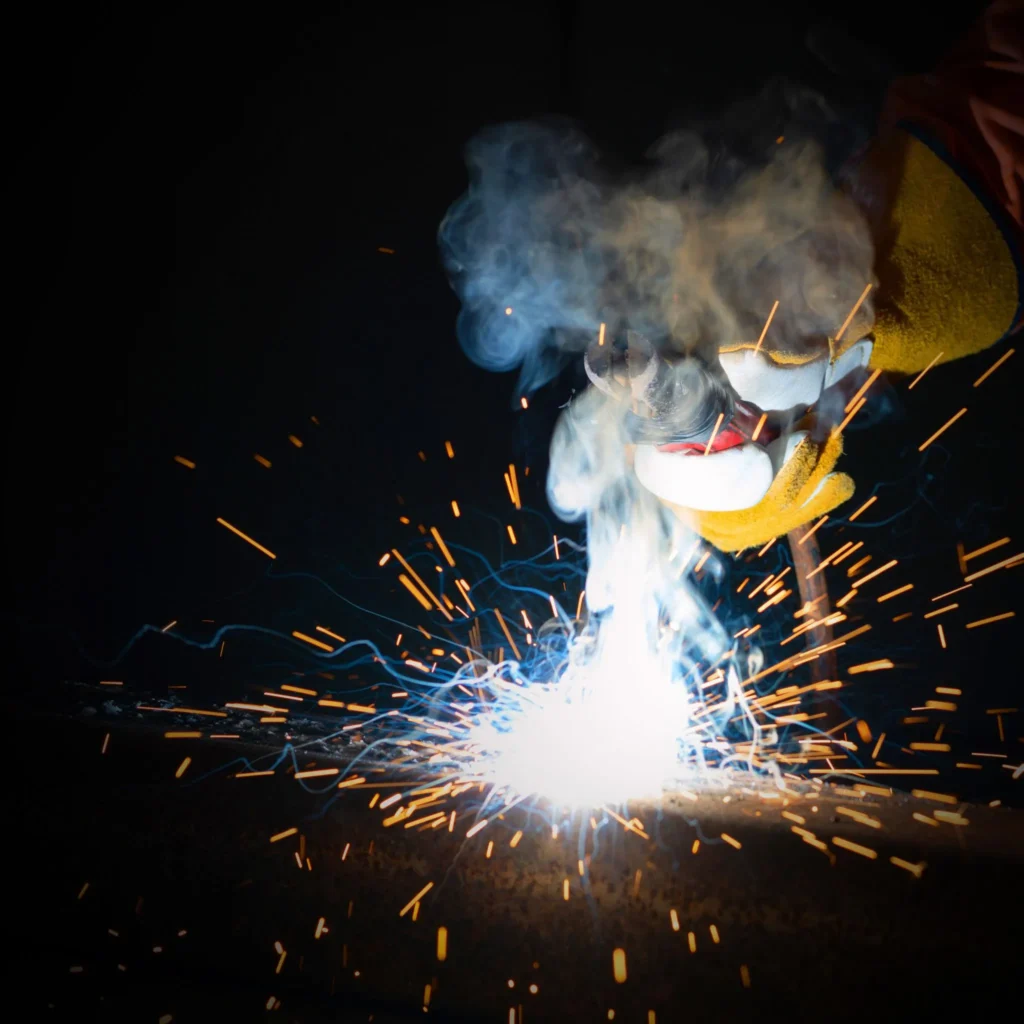
The best industrial images often have one thing in common: people. Worker photography puts the human element front and center. It captures skilled tradespeople, engineers, and technicians doing their jobs with focus and pride.
These photos are gold for HR teams building recruitment campaigns, for internal communications, and for brand storytelling. They remind the audience that behind every machine and every product, there are real people making it happen.
7. Environmental and Safety Photography
This type of industrial photography is less about looking good and more about being accurate. It documents safety practices, protective equipment, hazard signage, environmental controls, and site conditions.
Businesses use these images for safety audits, regulatory submissions, insurance documentation, and internal compliance reports. In industries like mining, chemicals, and construction, having a clear visual record can be critically important.
8. Corporate and Executive Photography at Industrial Sites
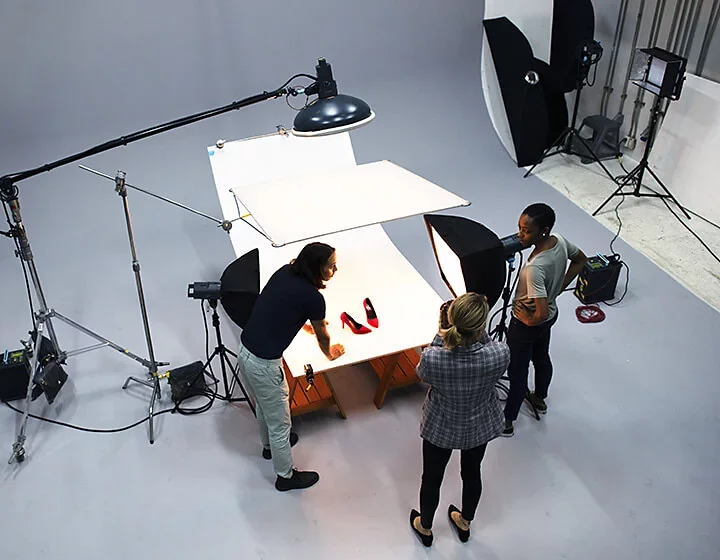
Not all corporate headshots need to be taken in a studio with a plain background. Many executives and team leaders in industrial businesses prefer to be photographed on-site — in front of their facilities, on the factory floor, or beside a key piece of equipment. This is where corporate photography goes beyond the traditional office portrait and becomes something far more meaningful.
This approach adds authenticity. It tells the viewer something real about who the person is and what they do. Done well, corporate photography in an industrial setting captures both the professionalism of the individual and the scale of the business they lead. These photos are used in press releases, LinkedIn profiles, annual reports, and company websites.
9. Architectural and Facility Photography
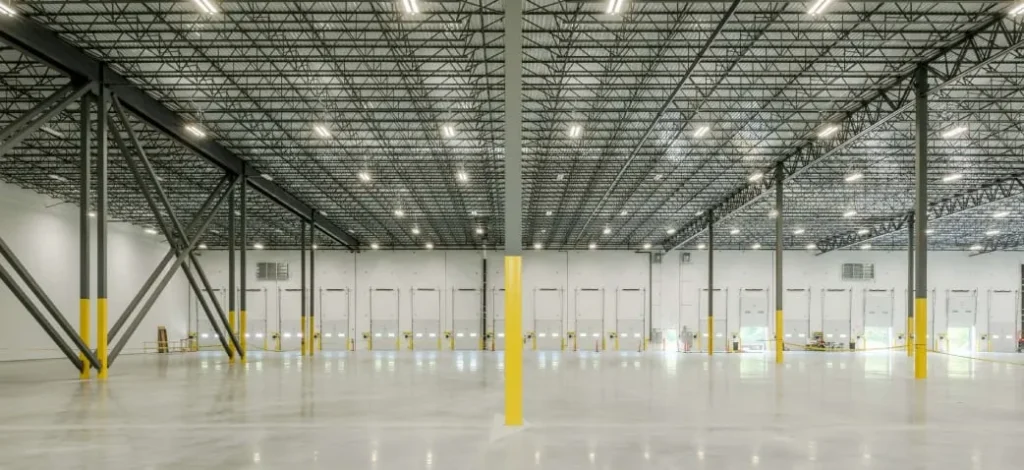
This type focuses on the physical spaces themselves — warehouses, plants, office buildings, distribution centers, and more. It’s about capturing the design, scale, and condition of a facility in the best possible light.
Architectural photography and facility photos are used in real estate listings, lease marketing materials, facility tours, and annual reports. If a company is trying to attract tenants, partners, or buyers, strong facility photography can make a big difference.
10. Product Photography in Industrial Settings
Finally, there’s product photography — but with an industrial twist. Instead of a white background in a studio, these shots take place in the environment where the product is actually used or made.
Showing a heavy-duty valve in a working pipeline, or a safety helmet on an active job site, gives the product context. It helps potential buyers visualize how it fits into their own operations. These images are used in e-commerce listings, product spec sheets, and sales catalogs.
How to Choose the Right Type for Your Needs
With so many types of industrial photography available, how do you know which one is right for you? Here are a few simple questions to guide your decision.
What is your goal? Are you trying to win new clients, recruit employees, meet a compliance requirement, or launch a new product? Your goal should drive your choice.
Who is your audience? Photos meant for investors look different from photos meant for job seekers or equipment buyers. Think about who will see the images and what they need to feel.
What is your budget? Drone photography, for example, costs more than standard facility photography. Knowing your budget upfront helps you set realistic expectations and prioritize.
Do you need a specialist? Some types of industrial photography — like oil and gas or aerial work — require photographers with specific experience, certifications, and safety training. Don’t just hire any photographer for a complex industrial shoot.
When briefing a photographer, be clear about your goals, your timeline, and any site-specific safety requirements. The more information you give them, the better your results will be.
Tips for Getting the Best Results
A few practical tips before you book your shoot:
- Always prioritize safety. Make sure your photographer follows all on-site safety rules, wears appropriate PPE, and has been briefed on restricted areas. Safety comes first, always.
- Plan around your schedule. Coordinate the shoot with your production schedule and natural lighting conditions. Early morning light, for example, can make an outdoor facility look incredible.
- Work with experienced professionals. Look for photographers who have actually worked in industrial environments before. Ask to see their portfolio and check that their previous work matches the type of shoot you need.
- Don’t skip post-processing. Great editing can make a significant difference in the final quality of your images. Make sure post-processing is included in your agreement.
- Sort out usage rights early. Before the shoot, confirm how you’re allowed to use the images — on your website, in print, in advertisements, and so on. This avoids headaches later.
Conclusion
Industrial photography is a broad and exciting field. From manufacturing floors to offshore platforms, from drone footage to worker portraits, each type serves a unique purpose and tells a different part of your story.
The key is knowing what you need, finding the right professional for the job, and planning carefully. When done well, industrial photography doesn’t just look good — it builds trust, supports your business goals, and shows the world what you’re truly capable of.
At Photophactorystudios specializes in high-quality industrial photography that tells your story with authenticity and impact. Whether you need facility shots, worker portraits, or aerial drone photography — we’ve got you covered.
Contact Photophactorystudios today and let’s create images that work as hard as your business does.
FAQs
What equipment is used in industrial photography?
Most photographers use professional DSLR or mirrorless cameras, a range of lenses (wide-angle for large spaces, macro for detail), lighting equipment, and increasingly, drones for aerial shots.
Is industrial photography dangerous?
It can involve risk, especially on active sites. Experienced industrial photographers are trained to follow safety protocols and work safely in challenging environments.
How much does industrial photography cost?
Costs vary widely depending on the type, location, and duration of the shoot. Simple facility photography might start at a few 50,000 to 2 lkhs , while multi-day drone or energy shoots can run into thousands.
Do I need a specialist?
For complex or hazardous environments, yes. A generalist photographer may not have the safety training or technical experience needed.
How long does a shoot take?
It depends on the scope. A single-location shoot might take half a day. A full facility documentation project could span several days or more.